
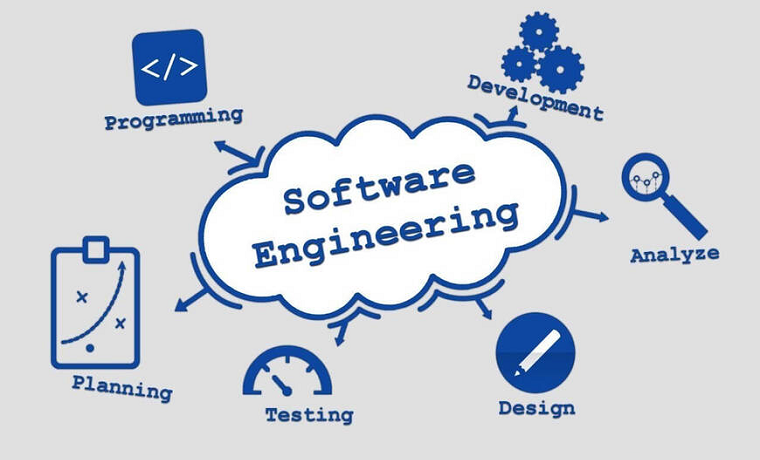
Tuition is only one part of a software engineering education budget. Study time, equipment and living costs also need a place in the plan.
Define what done looks like
You can’t set a budget until you name the outcome you want. A first developer job needs different proof than a step up to more responsibility or better pay.
Write a one-line goal and a date you will test it. List the exact tasks you will practise each week, like fixing bugs in a small app and writing tests for new code. Pick how you will judge progress, such as two finished projects that run without crashes or a timed set of problems you can pass twice. Block real hours for study and protect them like work shifts. If you can only study nights, your timeline is longer but your income stays intact.
Clarity here keeps spending tied to proof.
Count tuition plus total cost
Tuition is the number schools print in large type. The total cost of study is larger, and that is the figure to use when you make your plan. Add deposits and exam fees to hardware needs like a reliable laptop and a stable connection.
Full-time study has a second price. You give up hours you could have worked, so lost income can dwarf tuition over three months or six months. Part-time study keeps pay coming in but stretches rent and food costs across more months. Keep a separate emergency buffer so one broken laptop or medical bill doesn’t force you to quit.
List career help as its own line. Some schools include coaching and review sessions in tuition while others charge separately for portfolio checks and mock interviews. Add application charges and transcript costs early so they don’t surprise you later.
Pay for the skill you actually need
Many learners pay for the wrong gap. Foundational study covers syntax and the debugging skills you use daily in code. Later growth involves explaining that work in writing or talks. It is also about how hiring managers find you.
If you already build and ship small apps, check for gaps in your fundamentals before buying another starter tutorial. Programs centered on personal branding and technical content, such as Rockstar Developer University, address communication and visibility for developers who already code, which is separate from learning to code from scratch. Spend on the skills you need now rather than repeating material you needed last year.
Costly programs can make sense when they add live feedback and peer contact you won’t get from videos alone. Weigh that contact against your own discipline and access to local meetups and study groups.
Use free resources before you spend
If you’re unsure whether software engineering suits you, try free resources before making a large commitment. Spend four weeks with a free curriculum and documentation. Build two tiny projects you can explain line by line. Notice whether you enjoy solving problems and where you need feedback. That trial can help you decide what kind of paid support, if any, would be useful.
Start with one subscription at a time. Overlapping services can leave you paying for more material than you have time to use. Give a single platform a month and finish its projects before cancelling or pausing to try another.
Track what you finish, not what you start. Keep a folder with dated demos and notes on bugs you fixed without help. When you can explain your code to a friend in plain terms, you have momentum worth paying for.
Build a budget you can live with
Zero-based budgeting gives each part of your plan a clear limit. Every unit of income gets a job before the month starts, so tuition can’t quietly eat rent money.
Try staged spending for your plan. Stage one is free work plus small tool costs. Stage two is a short paid course or exam fee if stage one went well. Stage three is a longer course or certificate once you finish stage two work. Stage four is a larger program only after you have proof and savings.
Check four funding details before you sign. Find out which scholarships or discounts bring the price down without debt. Check whether the school has a payment plan and what fees it charges. Look at how an income share agreement sets repayment caps and time limits. Ask whether your current company has tuition help tied to staying for a set period.
You won’t know exact payback timing in advance. Still, you can compare paths by months without full pay against likely hiring delays in your area. A shorter course that lets you earn sooner can put less pressure on savings than a longer course with a lower sticker price. Write both timelines side by side before you pick.
Hypothetical budget example
All numbers below are hypothetical illustrations only, not actual prices, shown in generic currency units for one month of part-time study:
- Tuition installment set aside: 400
- Rent and food kept separate: 1100
- Internet and tool costs: 80
- Emergency savings: 200
Use the same sheet each month. Move unspent tool money to savings. If work hours drop, check your payment agreement and ask the provider about deferral or reduced payments before missing an installment. Small adjustments can help you stay enrolled when plans change.
There’s no prize for spending fast. A good software engineering education budget leaves you with options. You stay in the work long enough to get good, and you pay only for help that moves your proof forward.
About Author

Founder
David Watson is the founder of DesignDrizzle and is a professional website designer for over 10 years. He has competence in creating visually appealing and user-friendly websites for all the clients. He likes to explore new and creative ideas for designing, photography effects and other inspirational subjects