
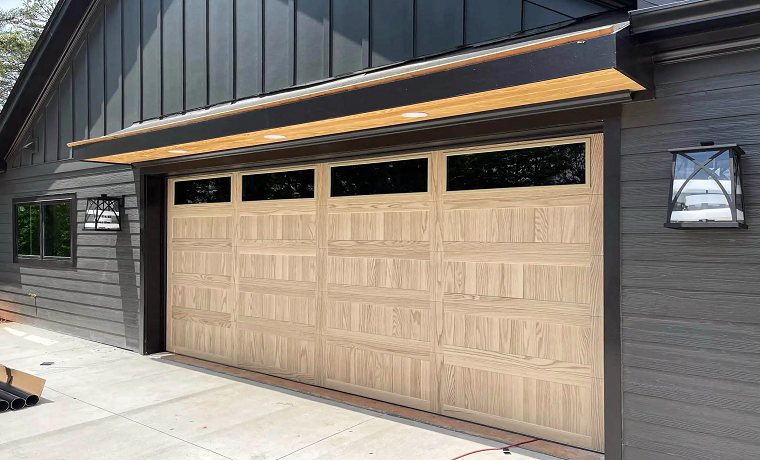
A garage door might not be something you think about often—until it starts acting up. Whether it’s making odd noises, refusing to open properly, or simply looking worse for wear, a malfunctioning door can quickly go from a small nuisance to a major household headache. But how do you know when a repair will do the trick, and when it’s time to start shopping for a new one?
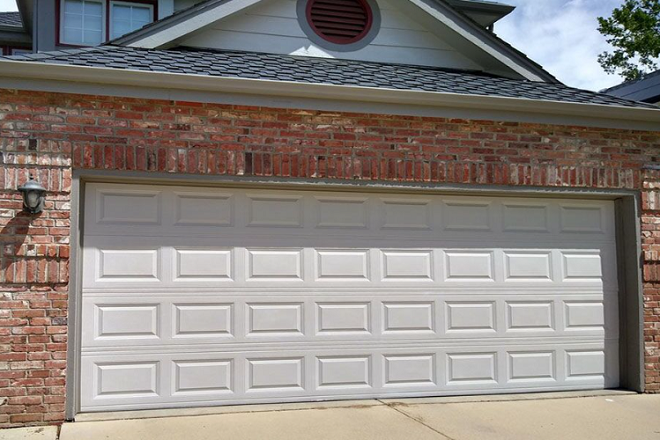
Here’s a breakdown of the most common warning signs, what they might mean, and how to decide on the right solution for garage door services and repair.
Strange noises: when grinding and squeaking signal trouble
Sounds are often the first indication that something’s wrong.
- Grinding or scraping noises can mean the rollers are worn down or the tracks have shifted out of alignment. Left unchecked, this can eventually stop the door from moving altogether.
- Persistent squeaking might just mean a little lubrication is needed—but if the noise sticks around even after that, it could point to aging or corroded parts.
- Sudden rattles or banging during operation might signal broken springs or loose bolts. These are more serious issues that can compromise the entire system’s stability and safety.
Strange sounds shouldn’t be ignored—they’re your door’s way of warning you something’s off.
Delayed or inconsistent operation
If your garage door hesitates, moves unevenly, or doesn’t respond every time you push the button, there’s likely an underlying problem.
- A delay in movement could be caused by a failing opener motor or a misaligned safety sensor.
- If the door opens or closes unevenly, it might be dealing with uneven spring tension or an object partially blocking the track.
- Intermittent remote function could mean something as simple as weak batteries—or interference in the signal, especially in homes with multiple wireless devices.
When responsiveness becomes unreliable, it’s time to investigate or consult a technician.
Visual signs of wear and tear
Even if the door still opens and closes, visible damage can reveal deeper problems.
- Dents, cracks, and rust don’t just look bad—they can weaken the door’s structure, especially if it’s older or made from lower-gauge steel or wood.
- Frayed lift cables or stretched springs should be considered urgent. These high-tension components can snap without warning, making the door unsafe to use.
- Damaged weather stripping around the door frame can lead to increased moisture, pests, and temperature fluctuations inside your garage.
Addressing these signs early helps avoid costly issues down the road.
When safety becomes a concern
Malfunctions that affect the safety features of your garage system should be treated seriously.
- If your door reverses unexpectedly, the issue is often tied to misaligned or malfunctioning safety sensors. This failsafe feature is essential for preventing injury or damage.
- Visible gaps or panel misalignment may compromise the security of your home and make the door more vulnerable to external damage or even collapse under stress.
- Vibration or shuddering during operation isn’t just noisy—it can indicate failing springs or a strained motor, which can quickly worsen.
If your garage system’s safety mechanisms aren’t working correctly, it’s time to bring in a pro.
Energy costs creeping up? Don’t overlook your garage
Your garage might be unintentionally sabotaging your home’s energy efficiency.
- Drafts and temperature changes inside the garage are often the result of poor insulation or sealing around the door. Over time, this can increase heating and cooling costs significantly.
- Strain on your HVAC system is more common with older or non-insulated doors, especially in attached garages. The Department of Energy notes that energy loss through garage spaces is a key contributor to inefficiency in many homes.
If your energy bills have gone up and nothing else has changed, the garage door could be a hidden cause.
DIY fixes vs. expert help
Some maintenance tasks are simple and safe for homeowners. Others should be left to professionals.
You can safely handle:
- Applying lubricant to hinges and rollers twice a year
- Cleaning and adjusting photo-eye sensors
- Tightening visible screws or bolts
But call a technician for:
- Replacing springs or cables
- Fixing opener motor issues
- Correcting track alignment or balancing the door
As a rule of thumb: if a repair will cost more than 30% of the price of a new door, replacement is probably the smarter financial move.
Repair or replace? Making the right call
The decision depends on more than just cost—it’s also about reliability, safety, and long-term value.
- If the door is more than 15 years old, even moderate repairs may not extend its life meaningfully. Replacement can offer peace of mind and better performance.
- Frequent breakdowns signal that components are reaching the end of their lifespan. If you’ve had multiple service calls in a short time, replacement may save money in the long run.
- Modern doors come with features like improved insulation, quieter operation, and smart-home integration. These benefits may outweigh patchwork repairs.
Keep it running: preventative maintenance tips
Spending a little time every few months on maintenance can go a long way toward extending your garage door’s lifespan.
- Lubricate moving parts—rollers, hinges, and springs—at least twice a year.
- Inspect the door monthly for signs of fraying cables, misalignment, or uneven movement. A quick balance test (by disconnecting the opener and lifting the door manually) can also reveal hidden issues.
- Check weather seals before winter and summer. Replacing worn-out seals keeps out drafts, water, and pests.
Preventative maintenance is simple, affordable, and can help you avoid larger problems later.
Choosing a replacement door: what to consider
If it’s time for a garage door repair florida, make sure you choose one that suits your home’s needs and climate.
- Materials: Steel is durable and low-maintenance; wood offers classic aesthetics but needs regular care; aluminum is lightweight but may dent more easily.
- Insulation (R-value): A higher R-value means better temperature control and energy efficiency. This is particularly important for attached garages or in areas with extreme weather.
- Smart features: Look for doors that support Wi-Fi-enabled openers, battery backups, and enhanced security controls. These upgrades add convenience and peace of mind.
Your garage door does more than just open and close—it protects your home, conserves energy, and ensures daily convenience. Learning to recognize signs of trouble early helps prevent emergencies and costly repairs. Whether you need a minor adjustment or are considering a full upgrade, being informed puts you in control.
About Author

Founder
David Watson is the founder of DesignDrizzle and is a professional website designer for over 10 years. He has competence in creating visually appealing and user-friendly websites for all the clients. He likes to explore new and creative ideas for designing, photography effects and other inspirational subjects